When setting up a home cinema, one of the most common questions is: do you need a screen for a projector? A projector screen is a specially designed reflective surface that enhances image brightness, sharpness, and color accuracy. But is it truly necessary? In this guide, we will break down the differences between a wall and a dedicated surface, explore various projector screen types, and help you decide if a projector and screen for home theater setup is the right investment for your lifestyle.
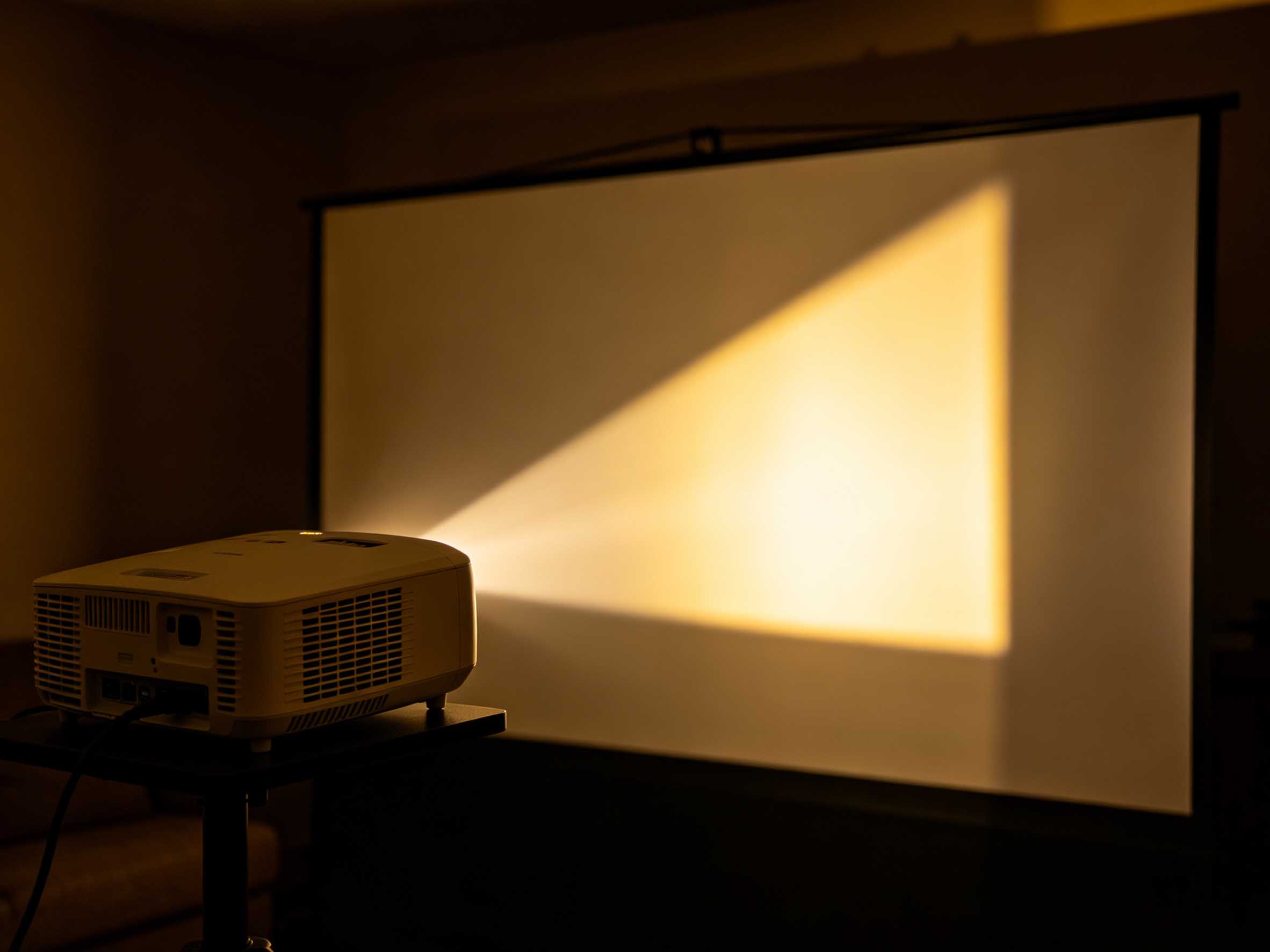
Do You Really Need a Projector Screen?
The short answer is: No, it is not strictly mandatory, but it is highly recommended.
A projector can display images directly onto a white wall, and many users start this way. However, wall surfaces often have imperfections like texture, paint unevenness, or color tint, which can affect image quality.
In darker rooms or casual setups, skipping a screen may be fine. But in dedicated home theaters or brighter environments, a screen significantly improves performance.
- Temporary or portable setups → wall projection may be enough
- Fixed home theater rooms → screen is strongly recommended
So, while you may wonder do you need a screen for a projector, the real answer depends on how serious you are about image quality. For a true projector and screen for home theater experience, a screen is usually worth it.
Why Do You Need a Projector Screen?
If you want the best viewing experience, here are the key benefits:
- Better image quality: Screens are engineered with specialized coatings that reflect light accurately, preserving sharpness and color accuracy.
- Optimized surface: Unlike walls, screens eliminate bumps, stains, and texture issues.
- Gain enhancement (brighter image): Some screens reflect more light toward viewers, making the image appear brighter than a flat wall.
- Wider viewing angles: Ensures consistent brightness and color from different seating positions.
- Aspect ratio accuracy: Designed to match cinematic formats perfectly.
- Portability and flexibility: Foldable or retractable options for easy setup.
- Ambient Light Rejection (ALR): Reduces glare and improves contrast in bright rooms.
- Easy cleaning and maintenance: Modern screens are easier to maintain than painted walls.
Projector Screen Types
Understanding projector screen types helps you choose the right one:
- Fixed Frame Screens
These are mounted permanently like a large picture frame and provide a perfectly flat surface. - Motorized / Electric Screens
Retract automatically and are ideal for multi-purpose rooms. They can be hidden in ceilings or walls when not in use. - Manual Pull-Down Screens
Budget-friendly and easy to install. - Portable / Tripod Screens
Ideal for travel, outdoor movie nights, or temporary setups. - ALR Screens (Ambient Light Rejecting)
Designed for bright environments to improve contrast and reduce glare.
Each of these projector screen types serves different needs depending on your space and usage.
FAQ
Can I use a bedsheet instead of a screen?
You can, but bedsheets are thin. Light may pass through the fabric, resulting in a dim, blurry image with poor contrast.
Is "Projector Paint" a real thing?
Yes, there are specialized reflective paints. While better than standard wall paint, they require careful application to avoid streaks.
Does the screen color matter?
White screens are best for dark rooms, while grey or silver screens help improve contrast in rooms with ambient light.
Conclusion
If you are looking for a budget-friendly, good enough solution for casual viewing, a wall will suffice. However, if you want to unlock the full performance of your projector, a dedicated screen can significantly improve the experience.
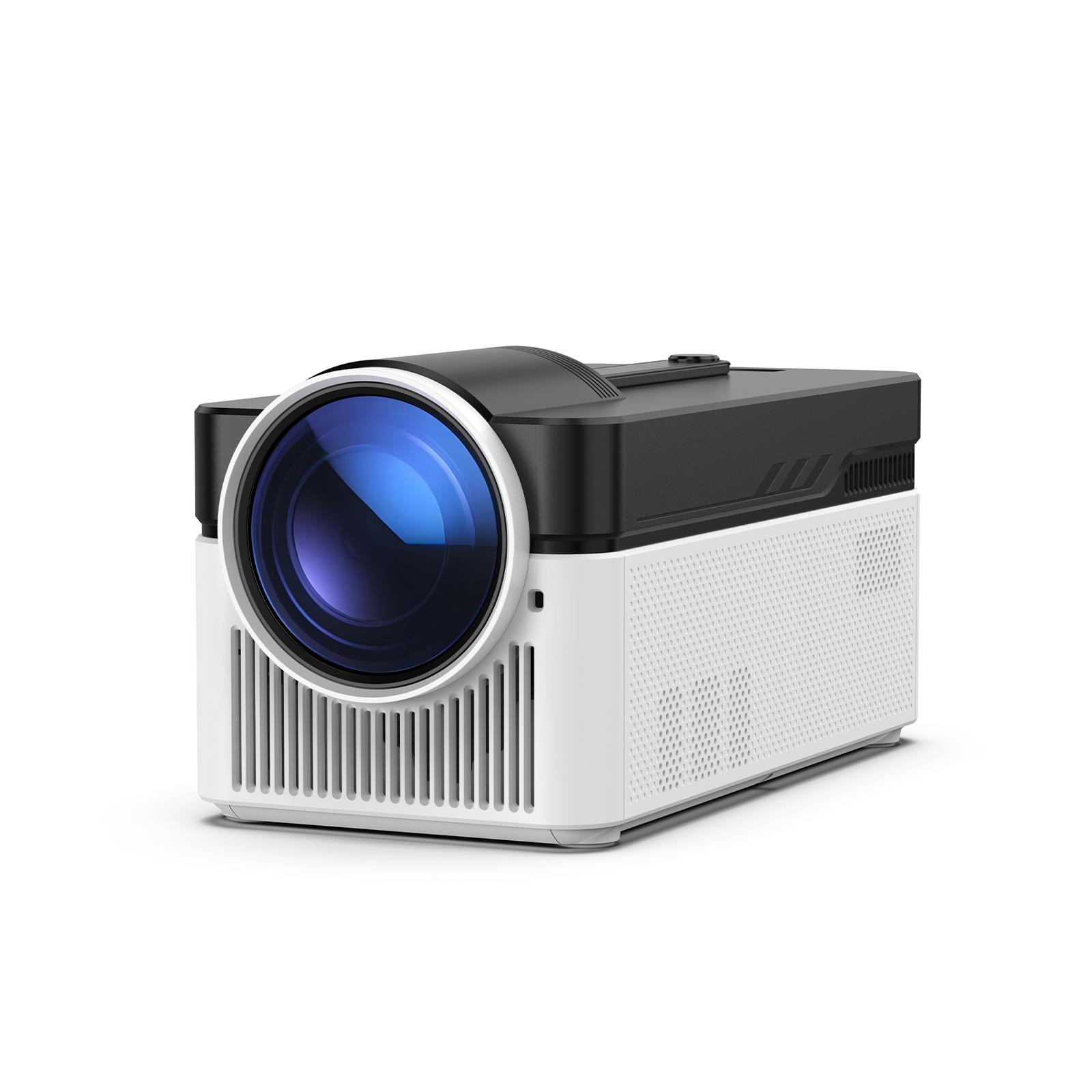
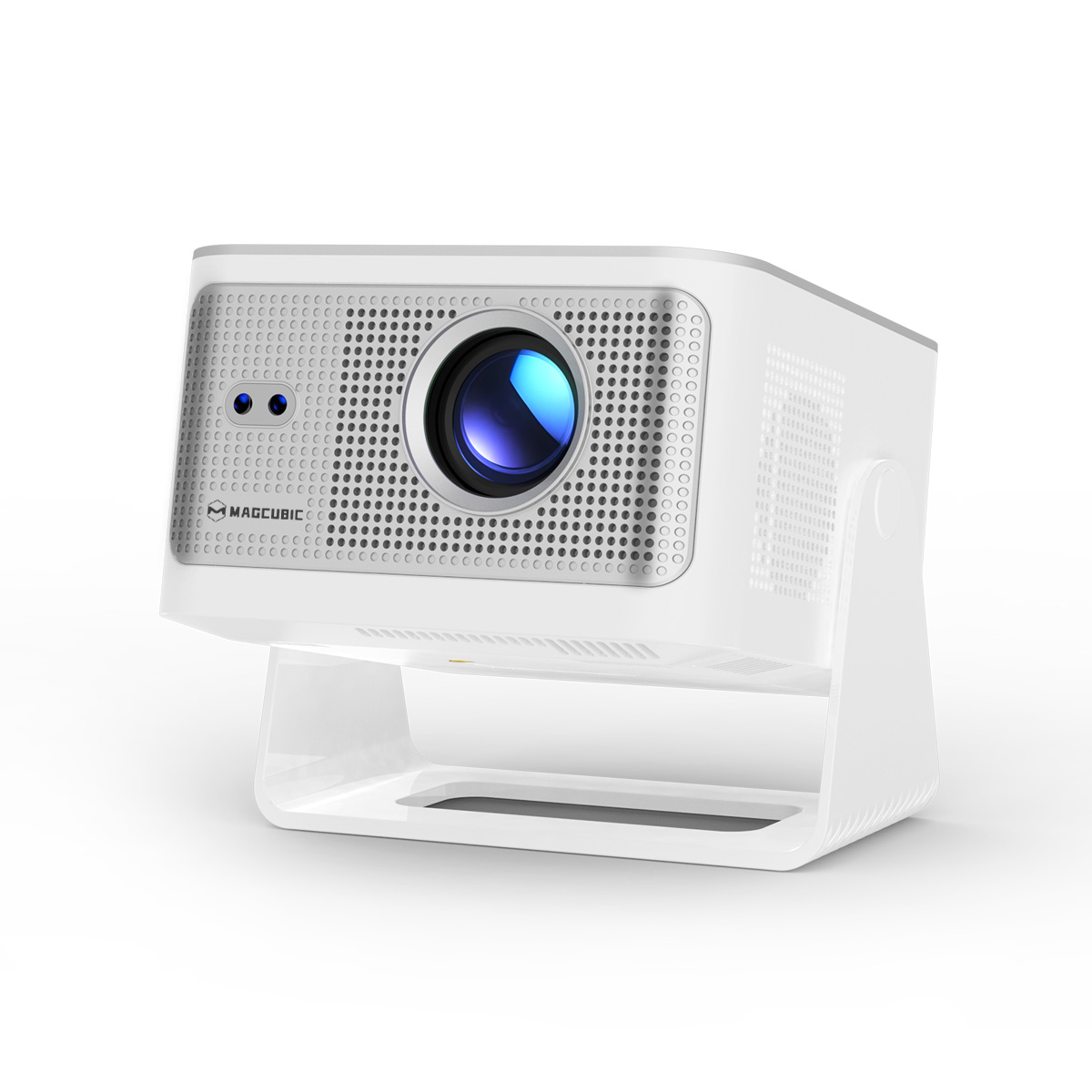
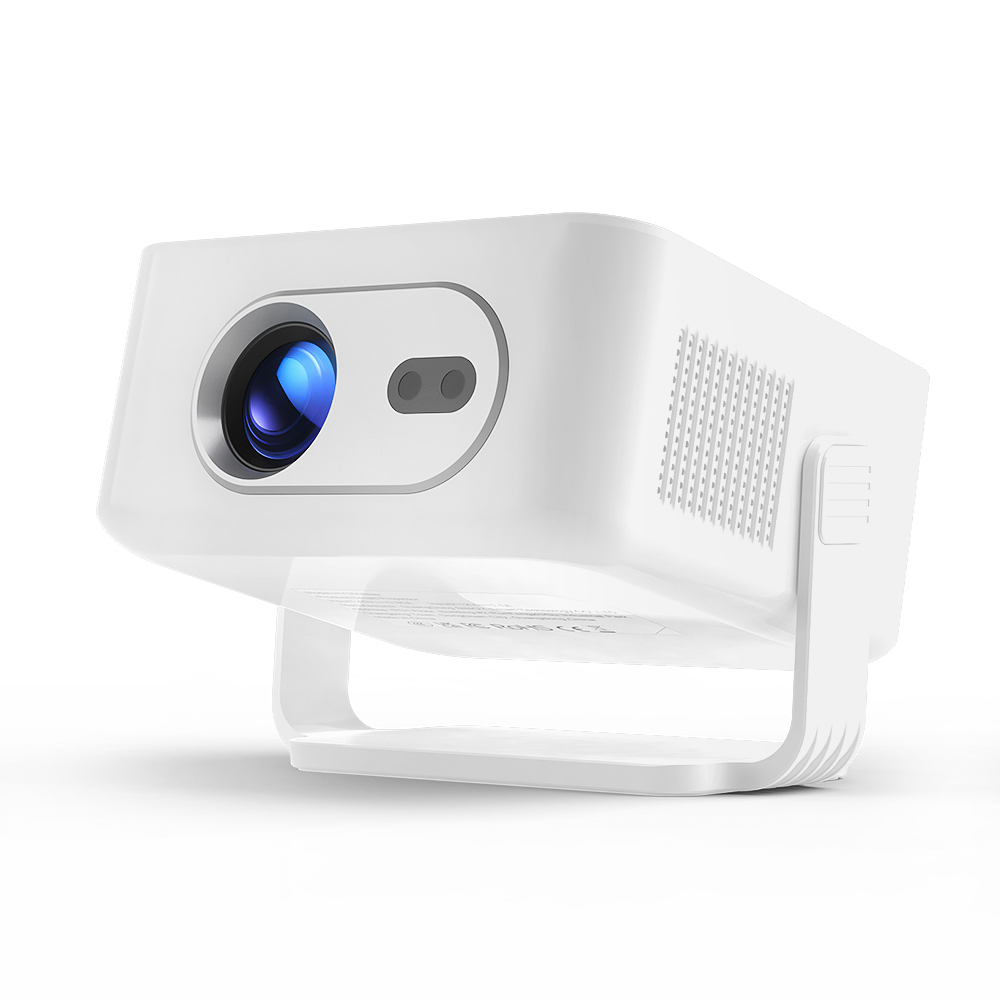
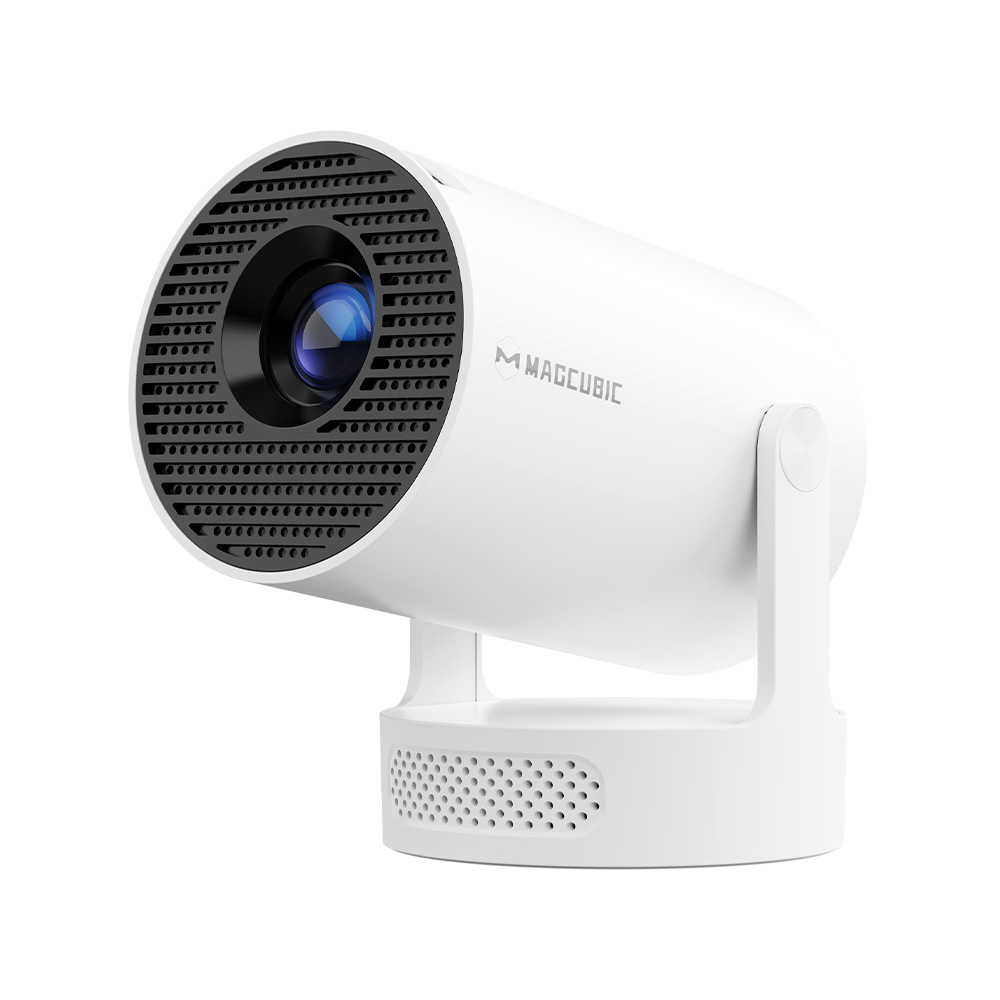
At Magcubic, we are a professional projector manufacturer. Our projectors deliver high color accuracy and clear images even without a screen. However, when paired with a proper screen, the viewing experience becomes even more cinematic.
If you're building a serious home theater, a high-quality projector remains the core of any great viewing experience—and choosing the right device is what truly defines it.