When choosing a projector, one question always comes up: how many lumens is good for projector performance? The answer isn’t as simple as picking the highest number. Lumens directly determine how bright your image appears, especially under different lighting conditions.
This article will guide you toward a thorough understanding of the concept of "lumens"—a factor that determines your choice of projector and, ultimately, whether the projected image appears washed out or delivers a stunning, cinema-grade experience.
.jpg)
What Are Lumens? A Simple Explanation
Lumen is a measure of the total amount of visible light emitted by a source. When it comes to projectors, the higher the lumen count, the brighter the image appears. However, not all lumen ratings are created equal.
Why ANSI Lumens Matter
Some projector vendors claim extremely high lumen ratings at low prices. These are often "marketing lumens" rather than real brightness output.
If you want accurate brightness, look for ANSI lumens. This standardized measurement reflects the actual brightness projected on the screen, making it the most reliable way to evaluate lumens on a projector.
Projector Light Source Types and Brightness
Different projector technologies produce brightness differently:
- Lamp-Based: 2000+ ANSI lumens, affordable but dims over time
- LED: Lower brightness, excellent color and long lifespan
- Laser: 3500+ ANSI lumens, stable brightness and premium performance
Real-world comparisons:
- Candle: ~10 lumens
- Standard light bulb: ~800 lumens
- Sunset lighting: ~400 lumens
This helps you understand how lumens on a projector translate into real viewing conditions.
How Many Lumens Is Good for a Projector? Scenario-Based Guide
So, how many lumens is good for projector setups? It depends on your environment.
1. Ambient Light Conditions
- Dark room: 1,500–2,000 ANSI lumens
- Low light: 2,000–3,000 ANSI lumens
- Bright room: 3,000+ ANSI lumens
Again, how many lumens is good for projector use depends largely on lighting conditions.
2. Screen Size Matters
- Small screens (<80”): Lower lumens
- Medium screens (80”–120”): Moderate lumens
- Large screens (>120”): High lumens required
3. Content Type Differences
- Movies: Focus on contrast and color
- Presentations: Require higher brightness
Practical Lumens Recommendations by Scenario
| Scenario | Recommended Lumens | Notes |
|---|---|---|
| Home Entertainment (<3000 ANSI) | <3000 | Best for dark rooms |
| Home Entertainment (>3000 ANSI) | >3000 | Handles ambient light |
| Small Business/Education (1–10 people) | 3000–3999 | 80”+ screens |
| Medium Business/Education (10–50 people) | 4000–4999 | Bright environments |
This table clearly shows how many lumens is good for projector use in different scenarios.
Choose Magcubic for Home Projectors
If your goal is a home theater, extremely high brightness isn’t always necessary. Lower lumens often provide better contrast in dark environments.
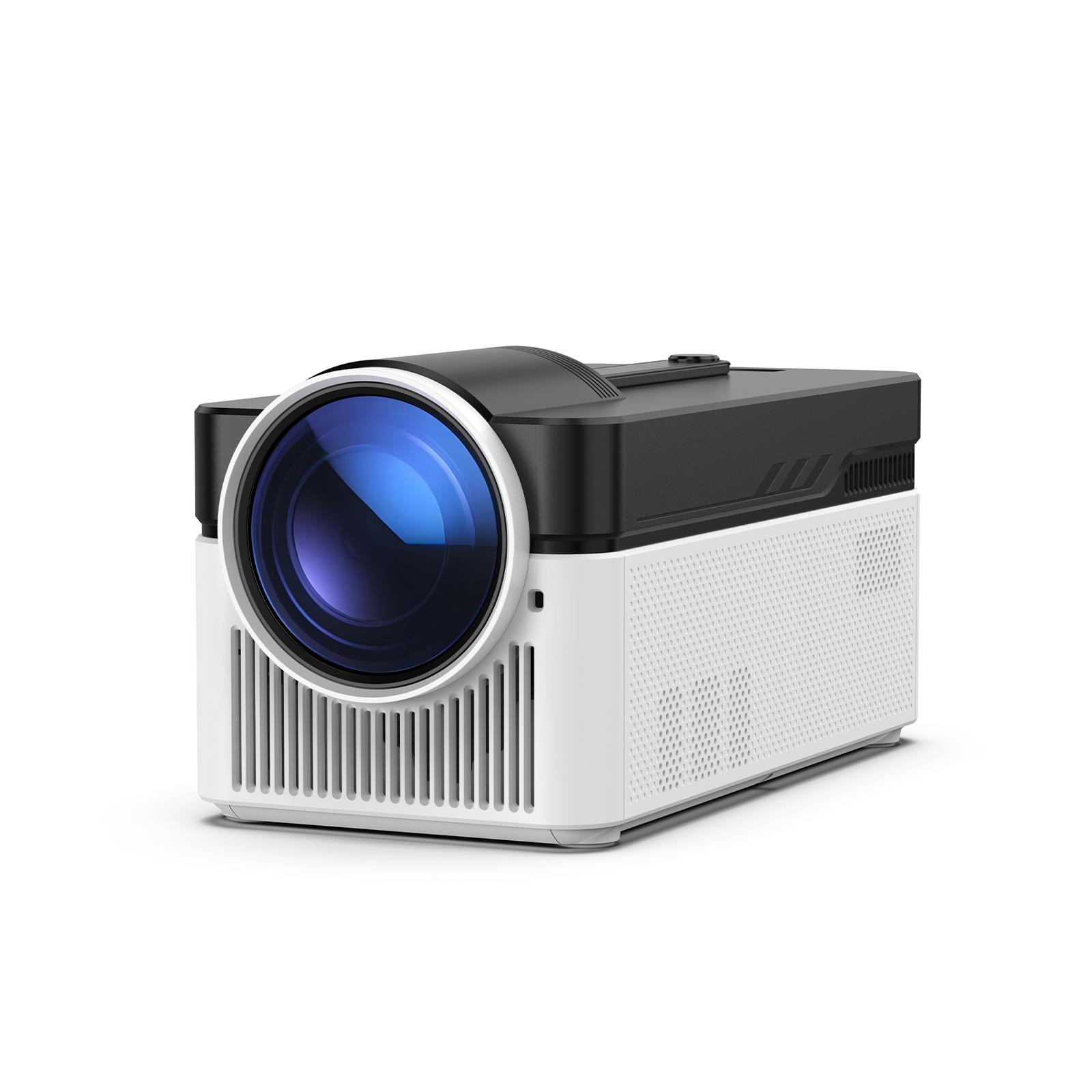
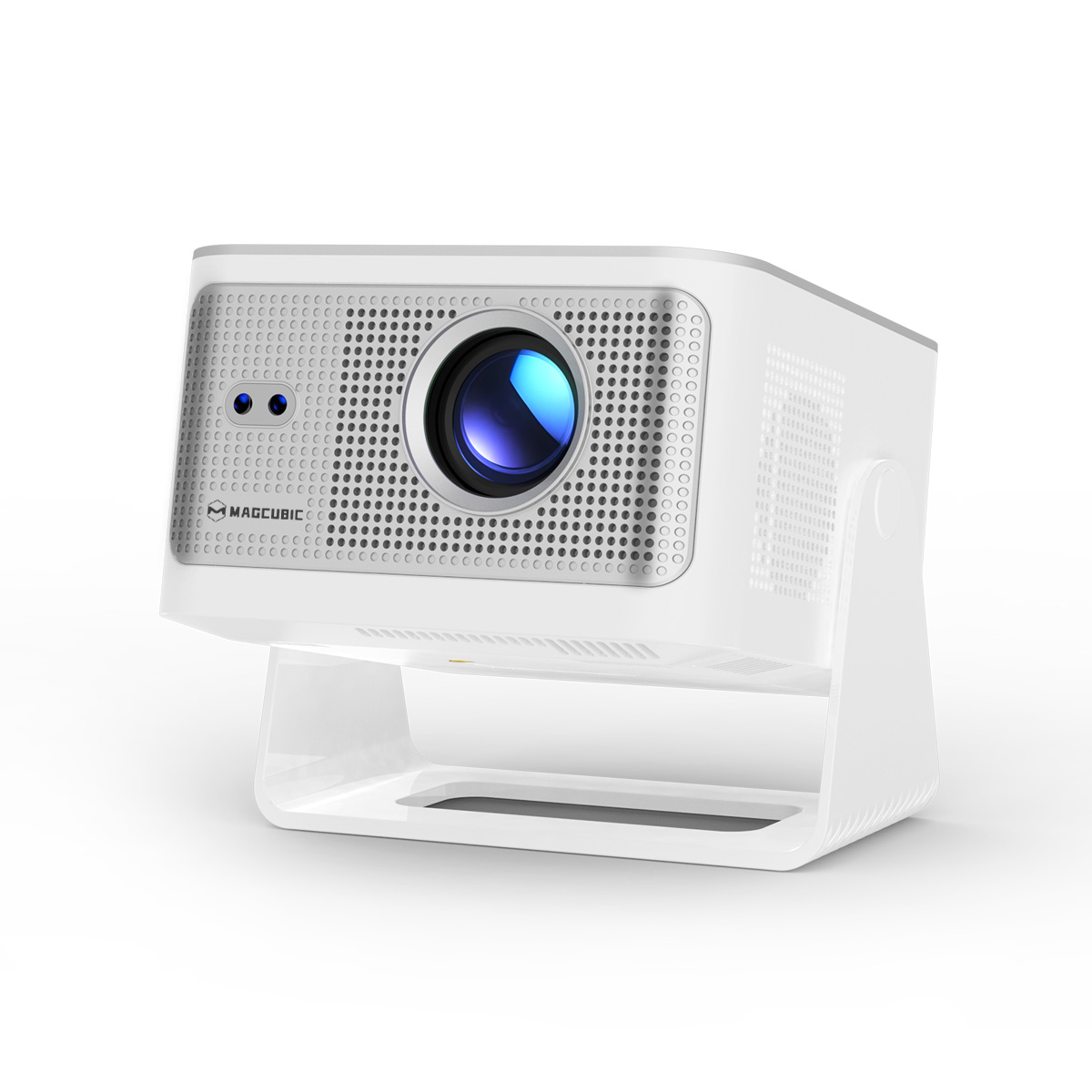
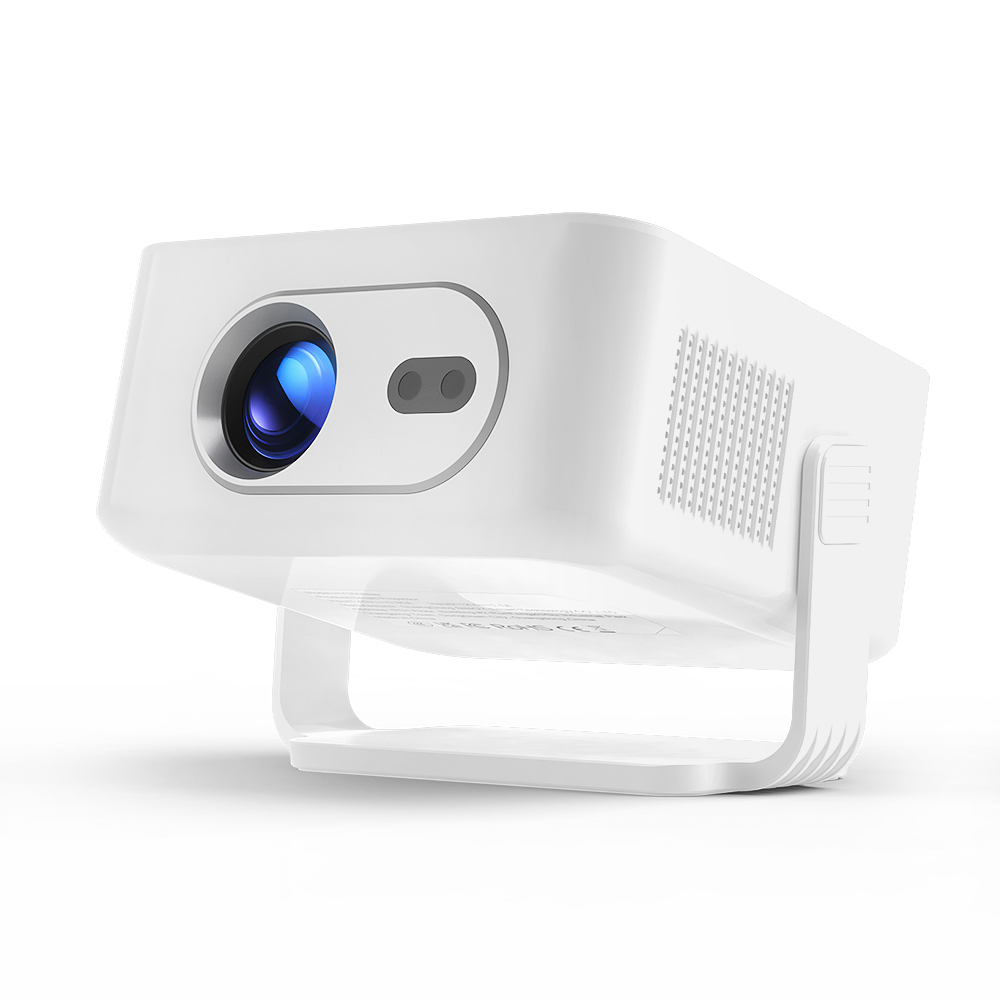
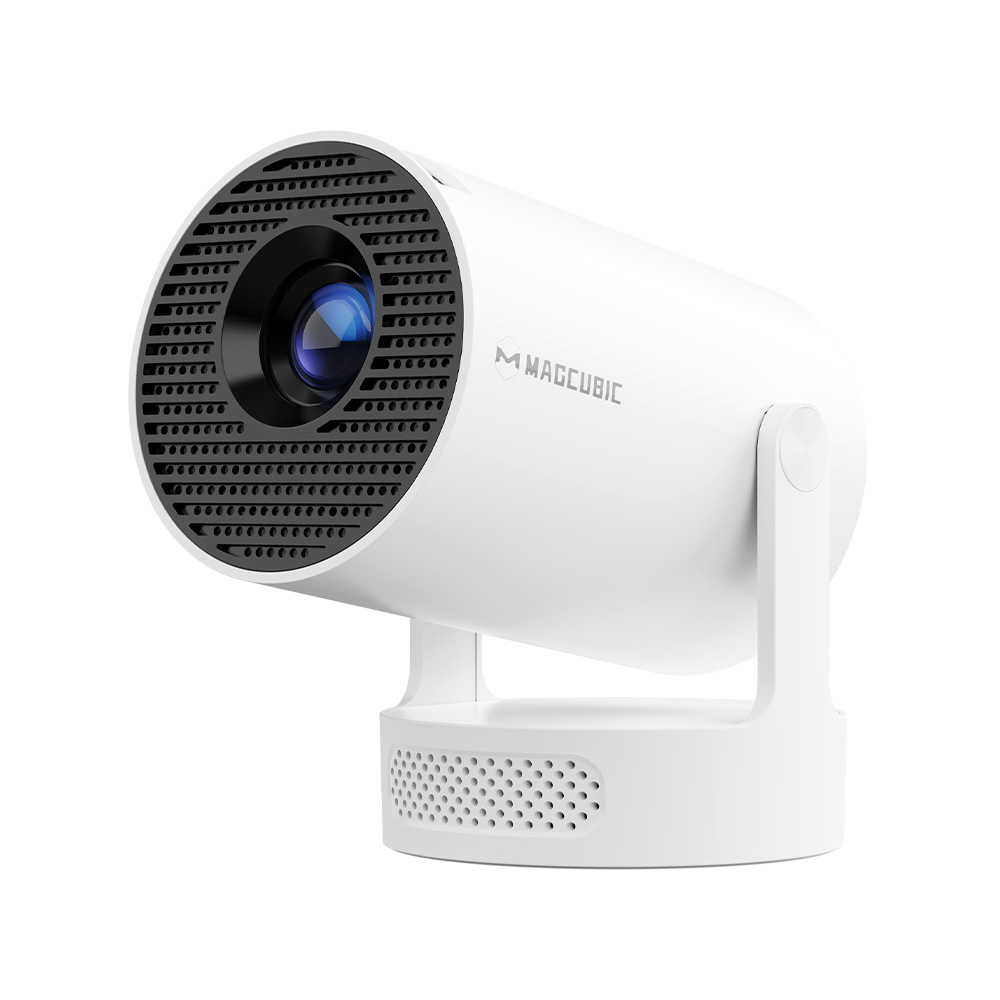
Magcubic is a professional projector manufacturer specializing in low-lumen projectors designed for home use.
- Affordable, high-quality projectors
- Optimized for dark-room viewing
- OEM & ODM support
With Magcubic, you can create a private cinema experience at an affordable price.
Final Thoughts
By understanding lumens on a projector, comparing ANSI ratings, and evaluating your needs, you can choose the right device.
Remember: brighter isn’t always better—the right brightness makes all the difference.